




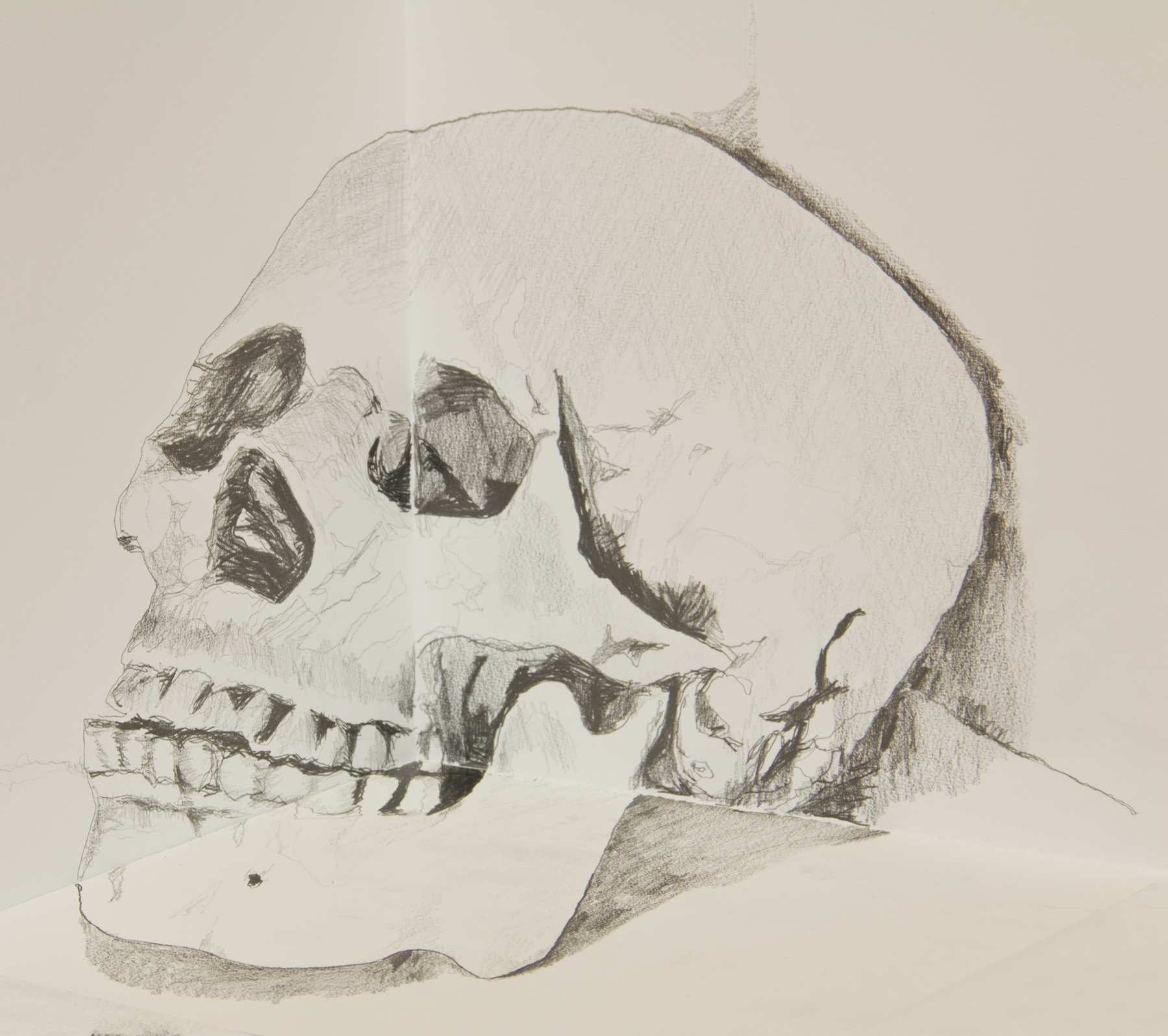
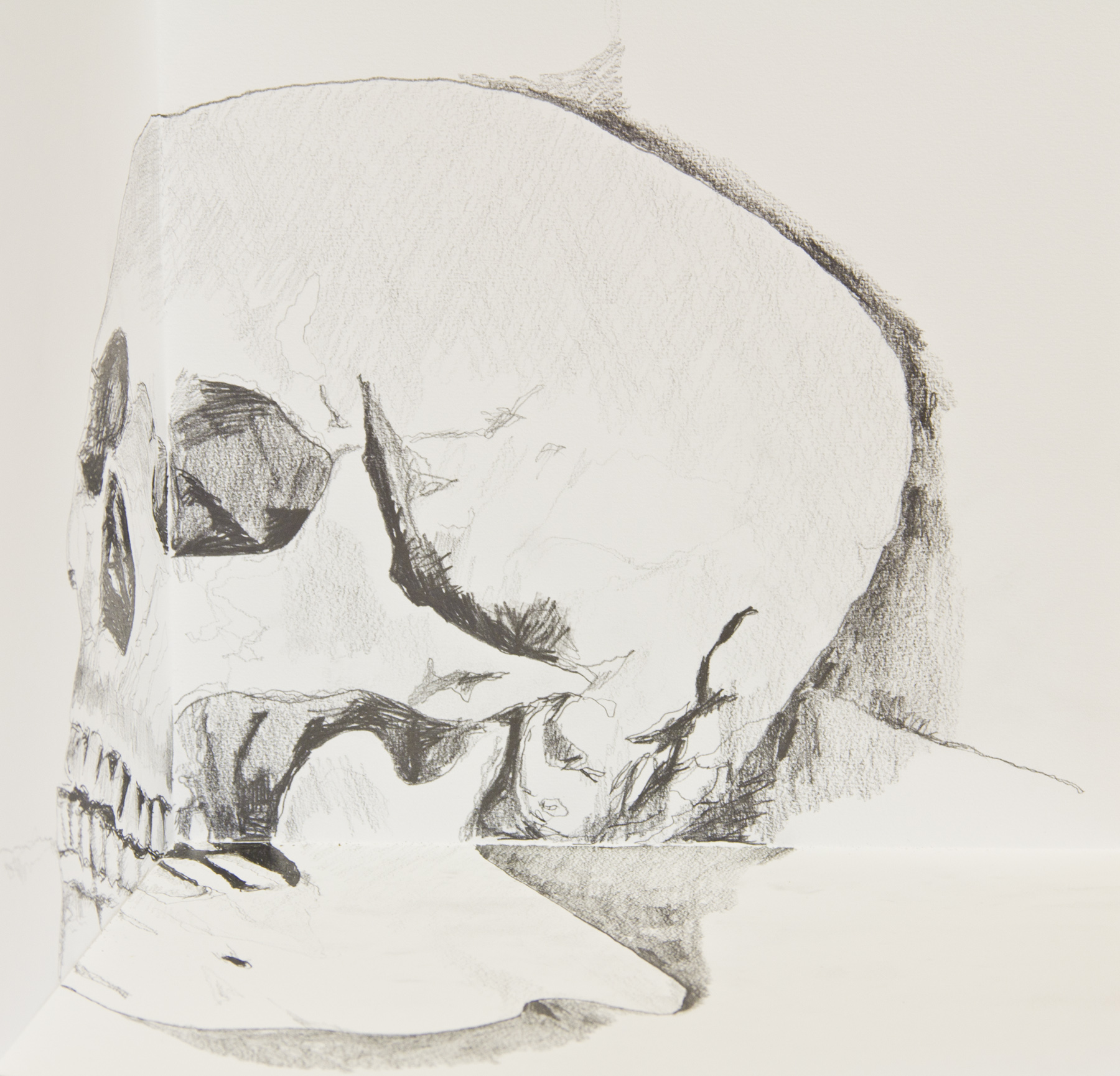

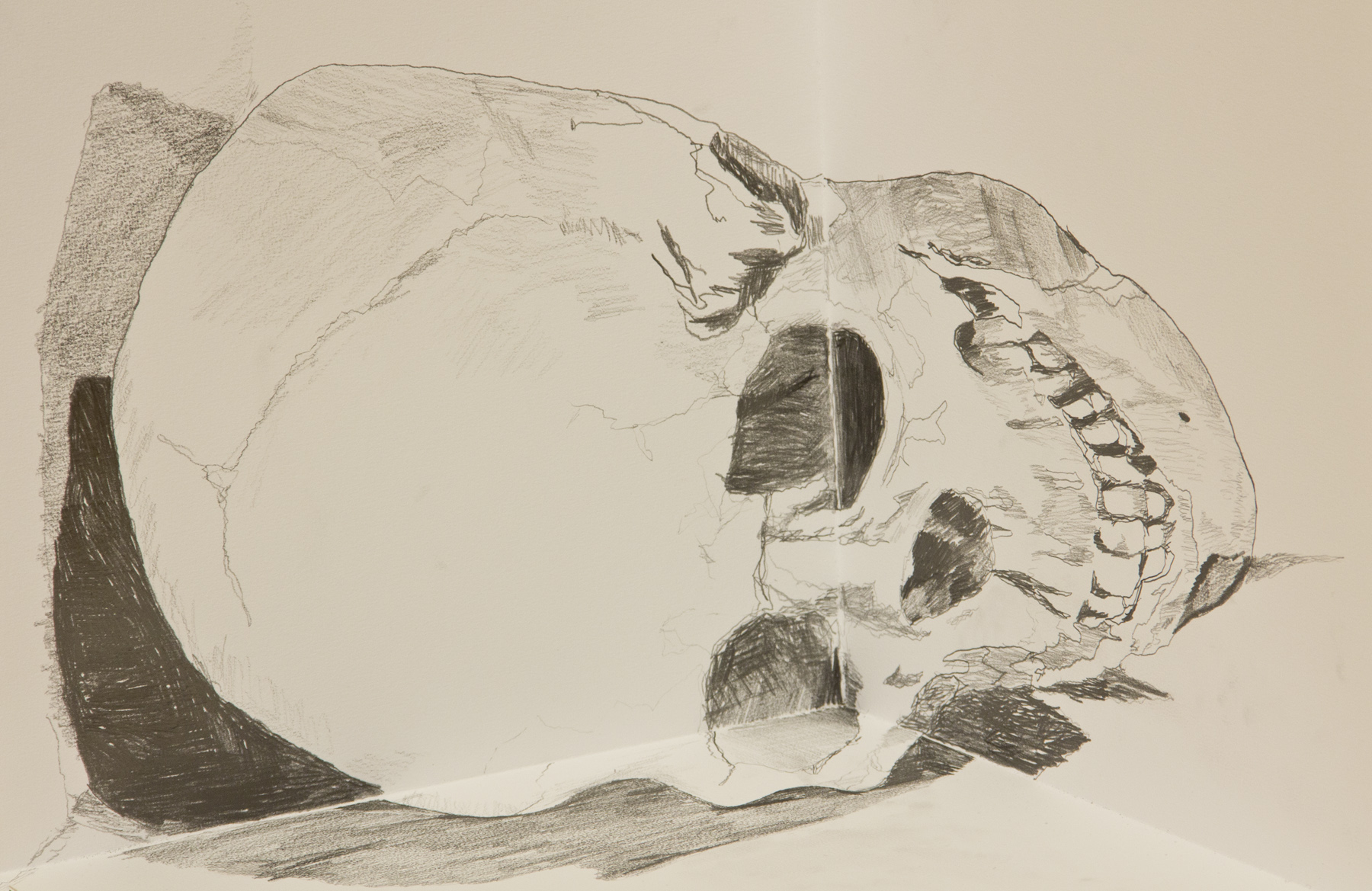
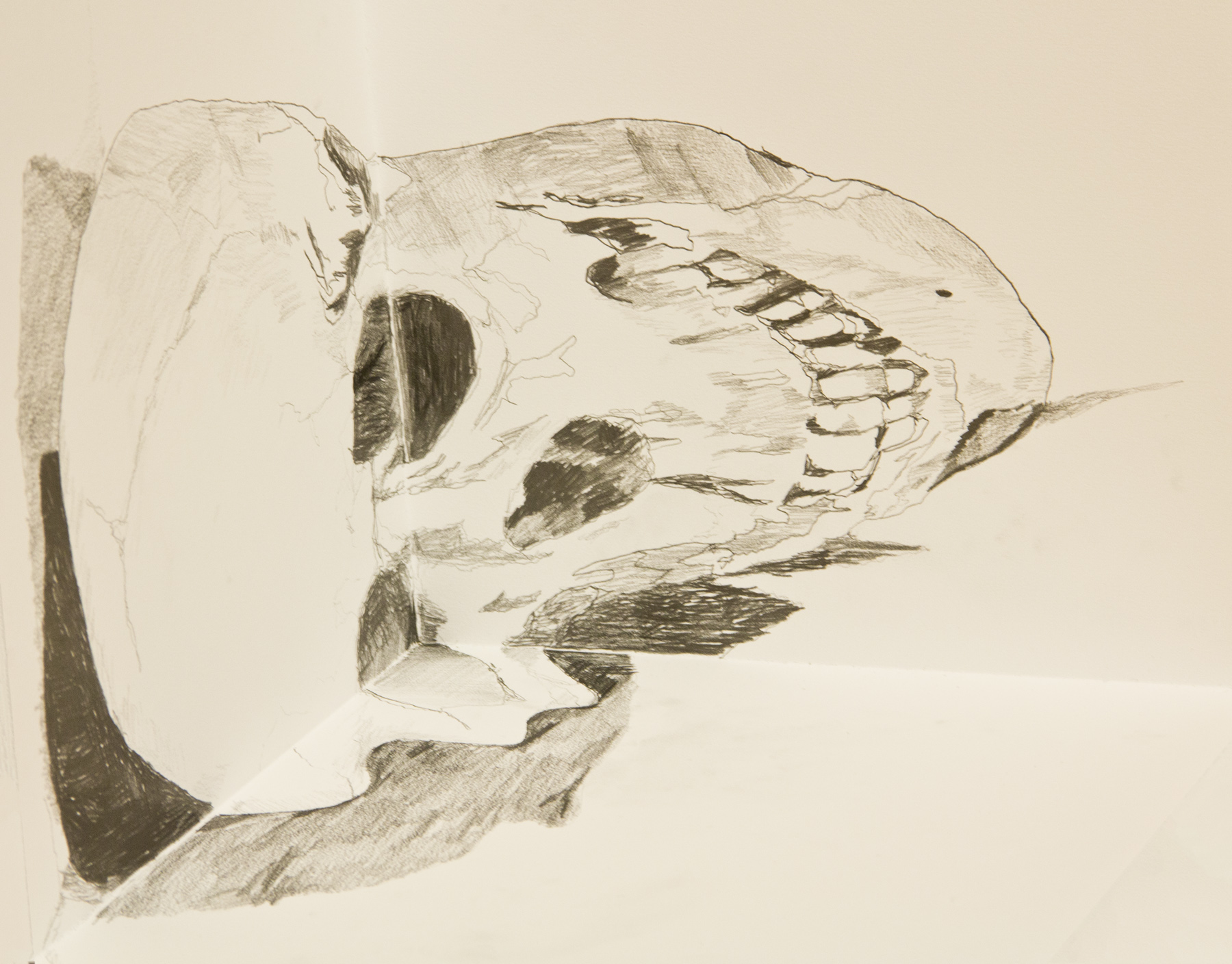

The Unknown
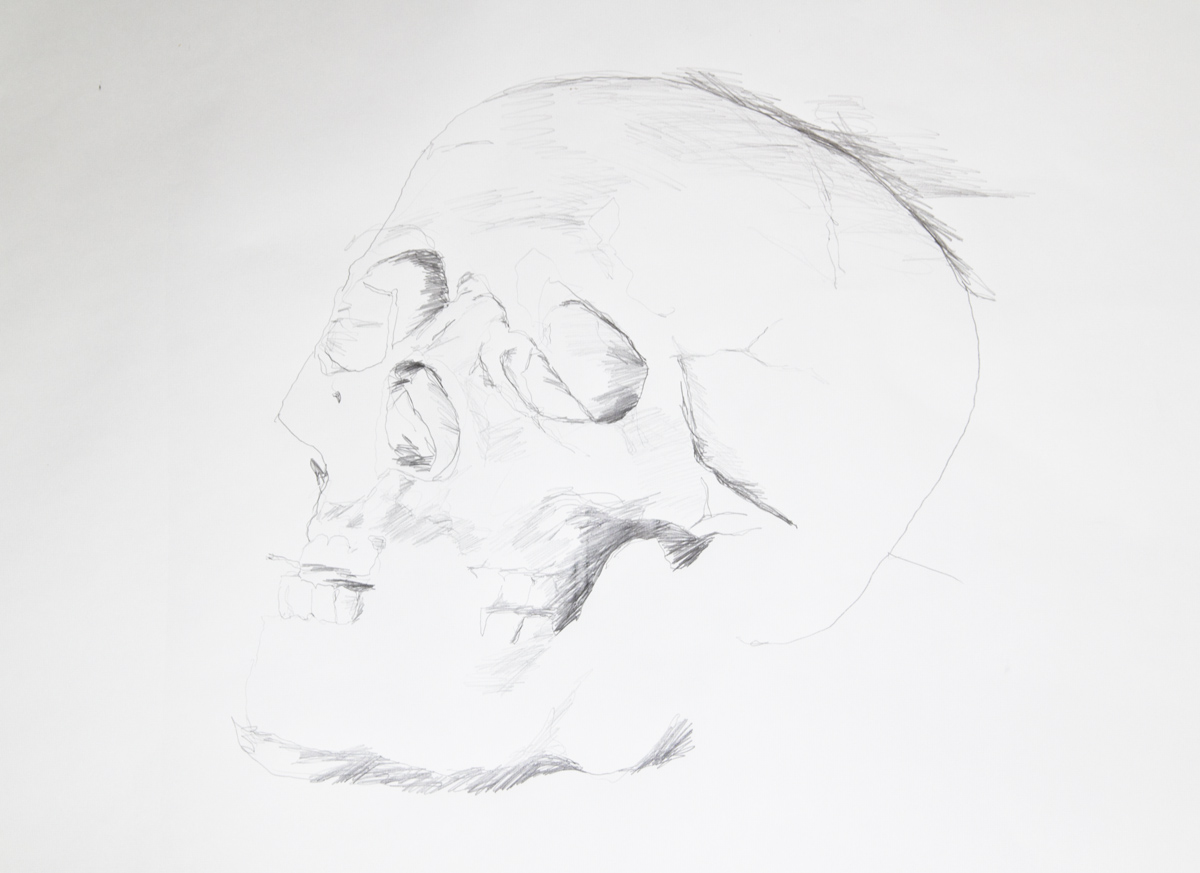
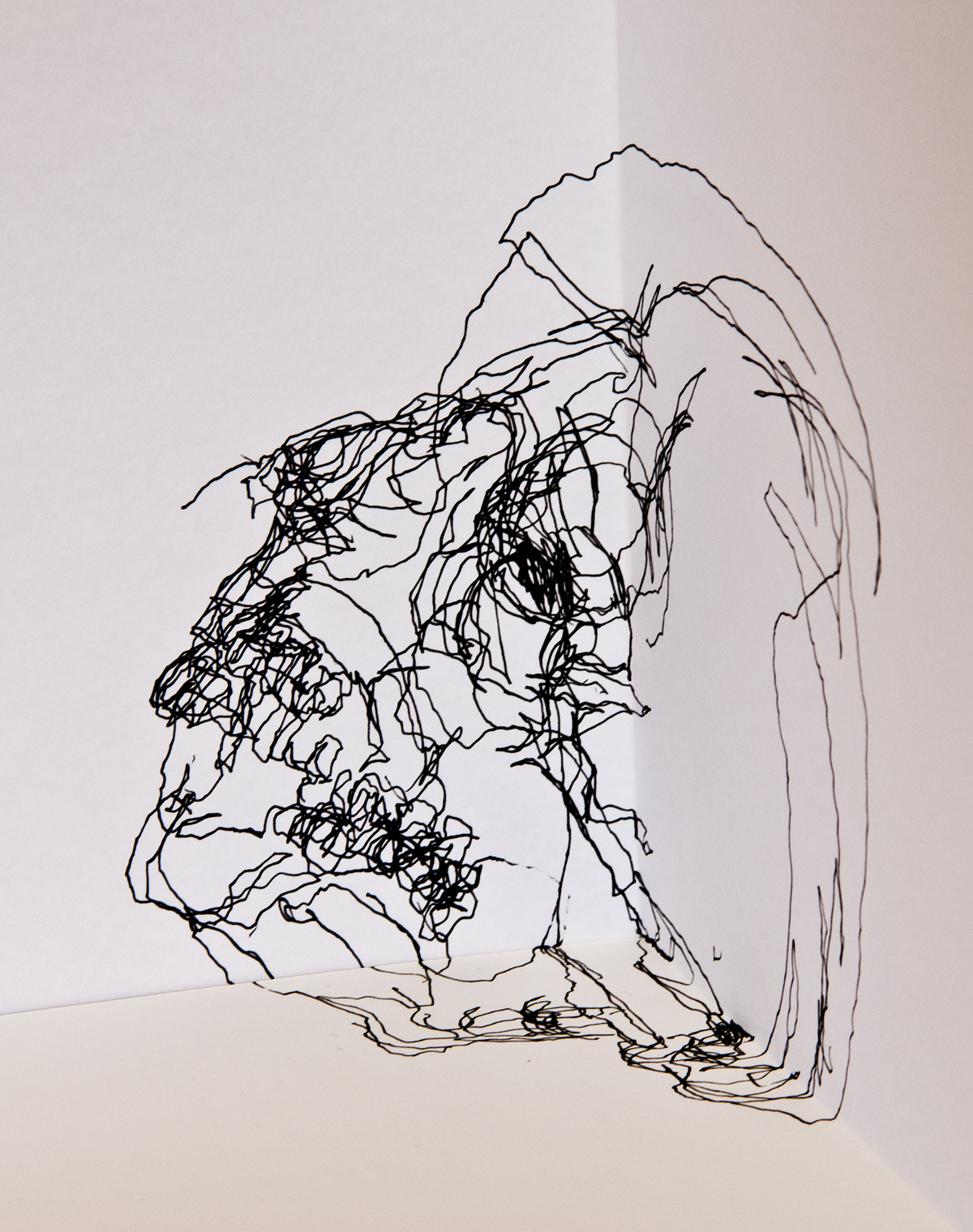
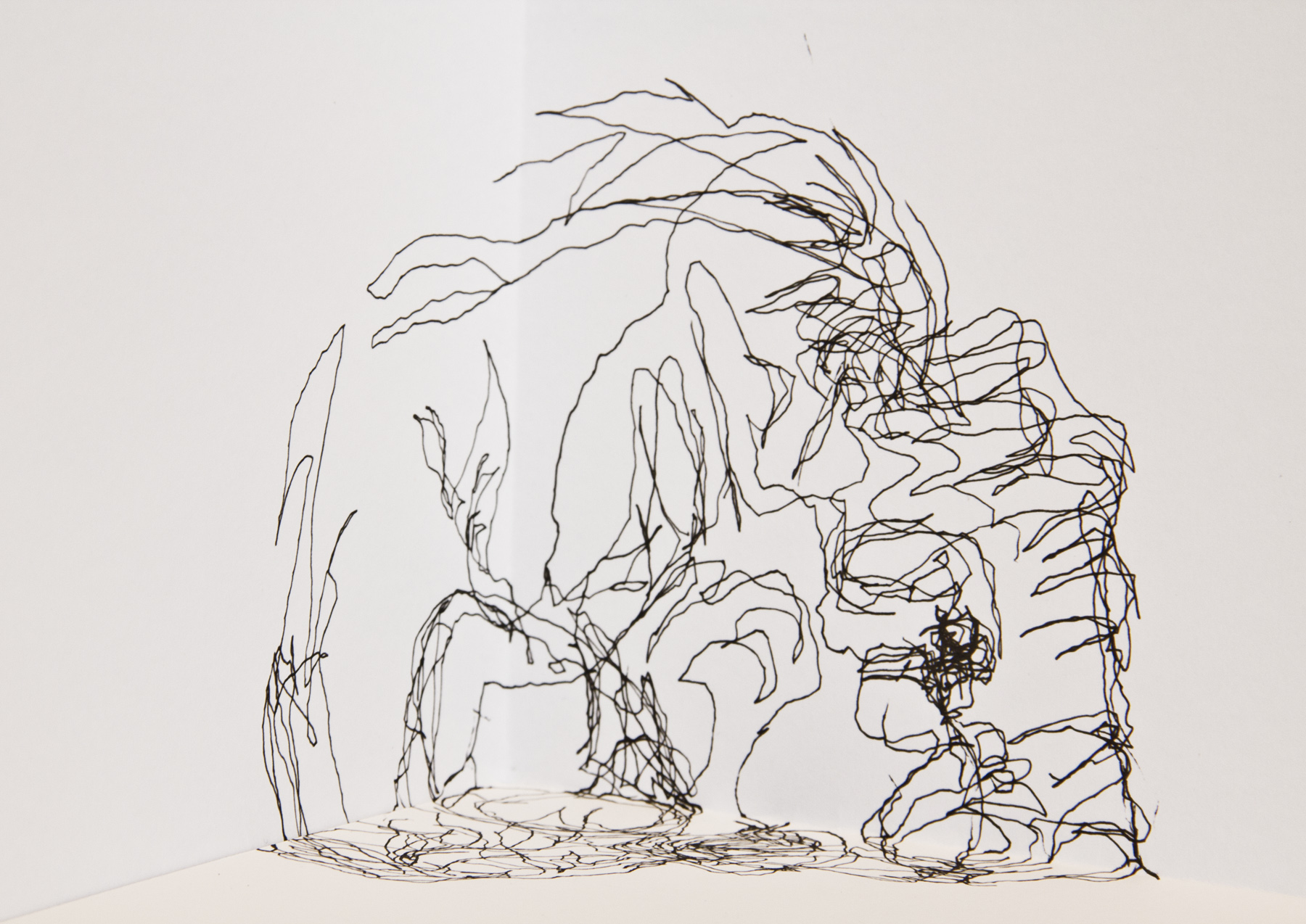
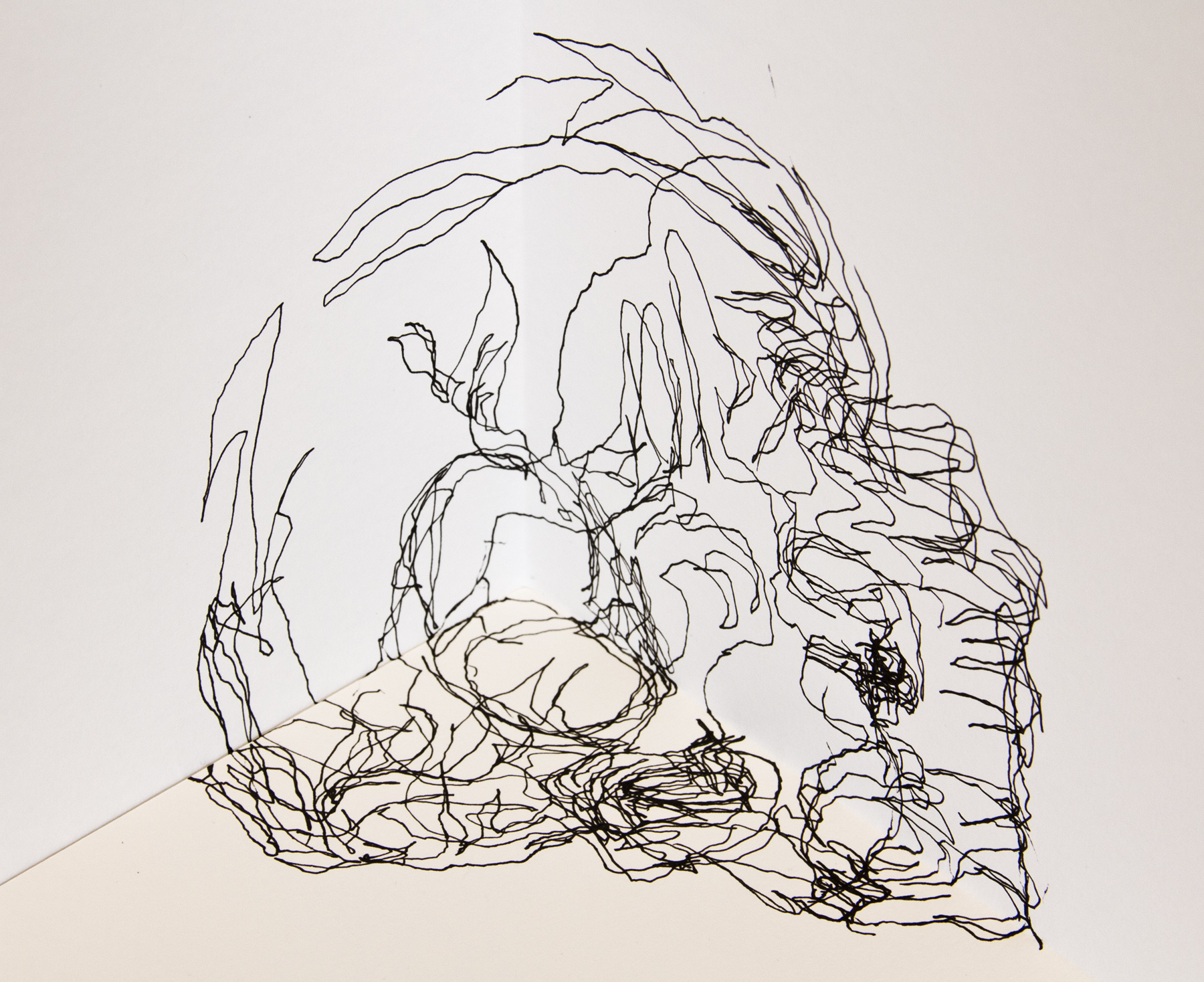
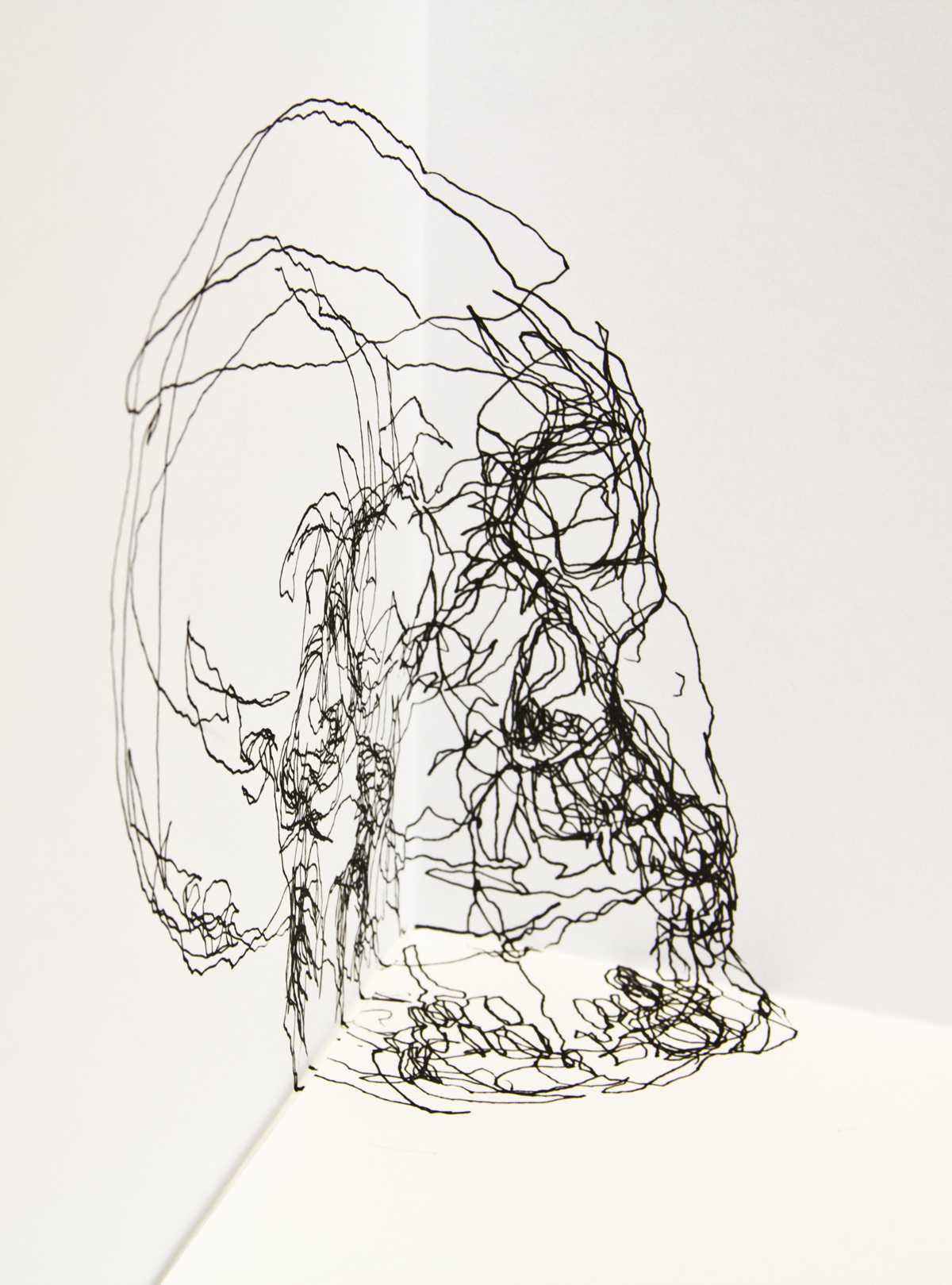
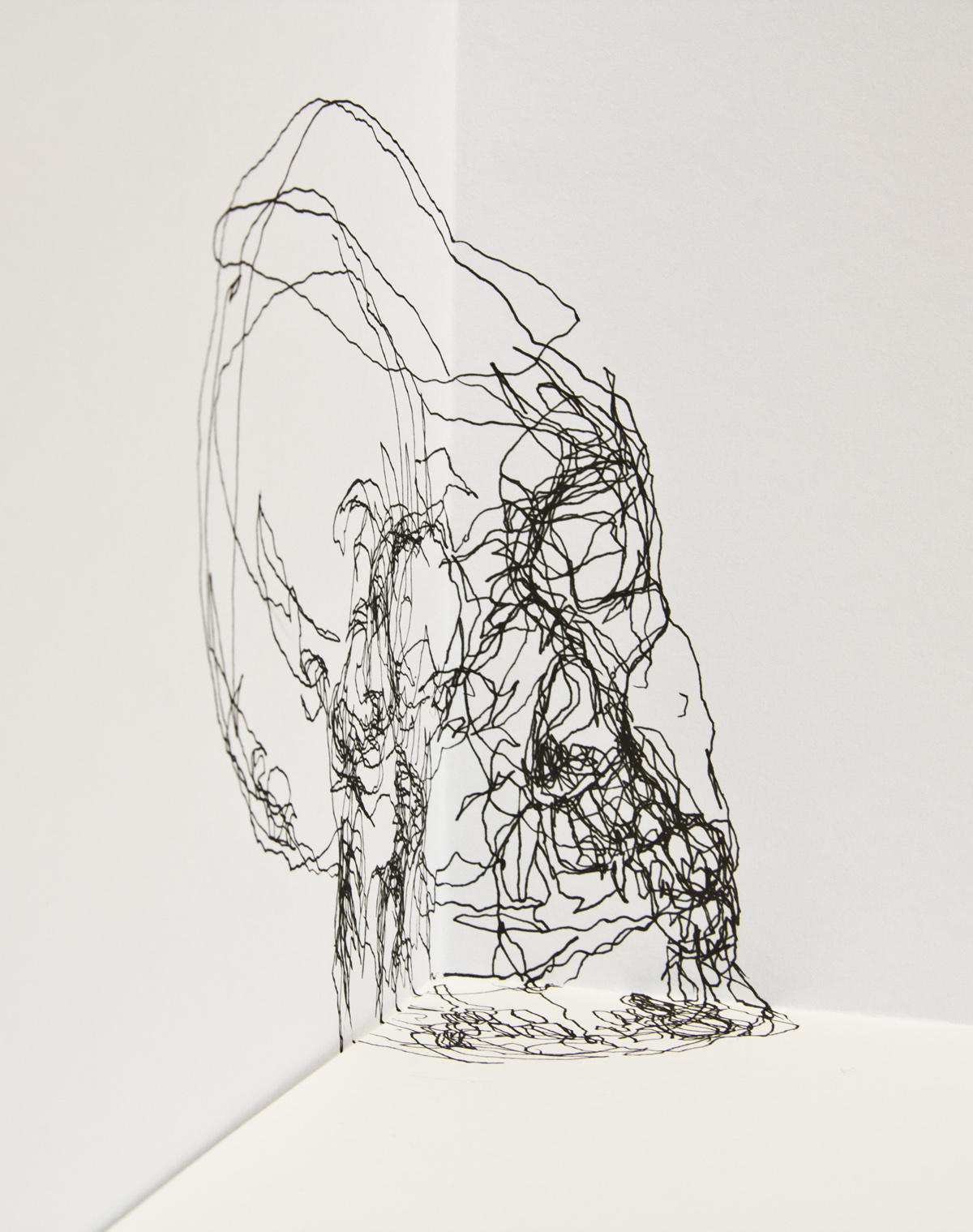
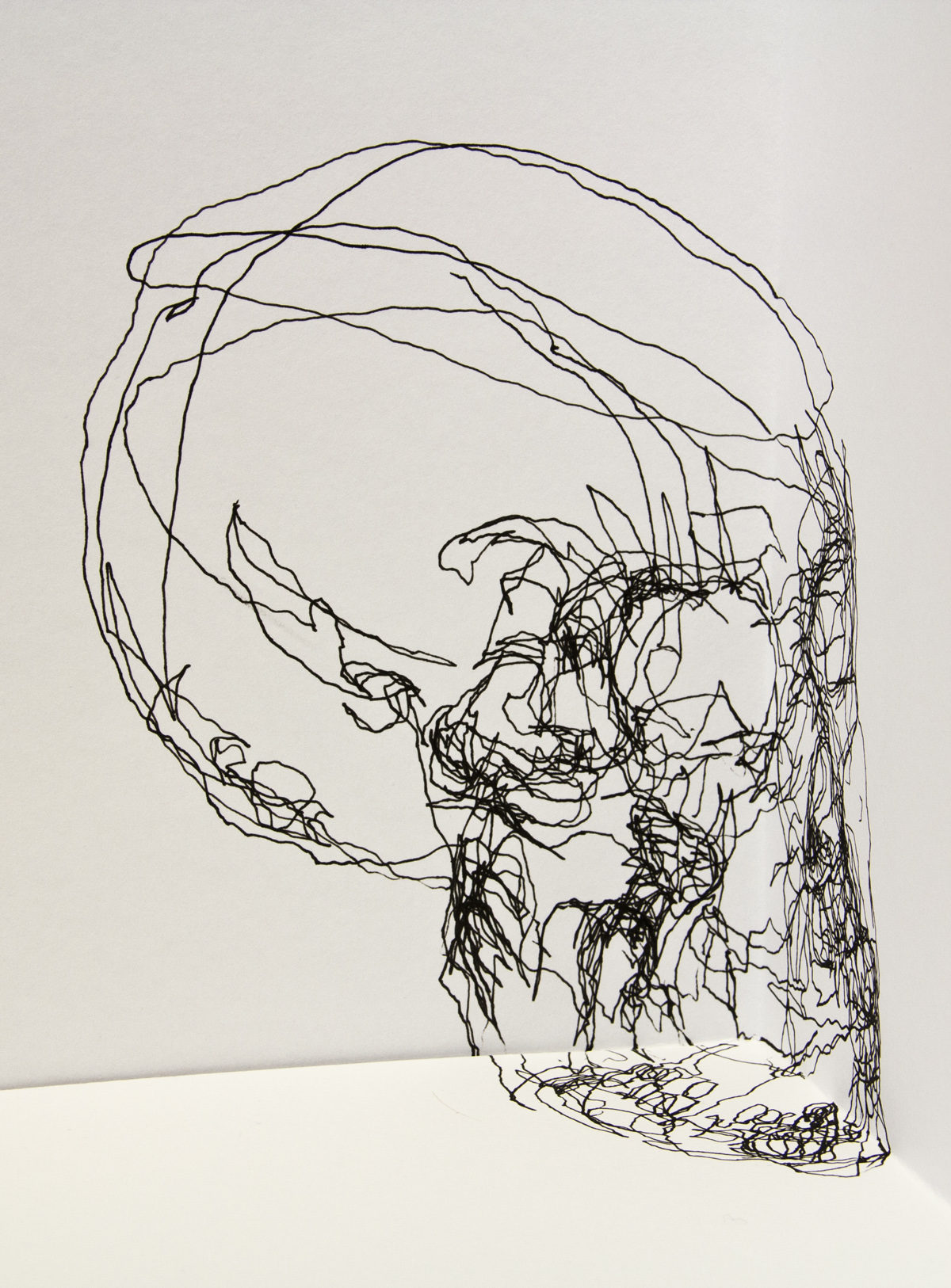
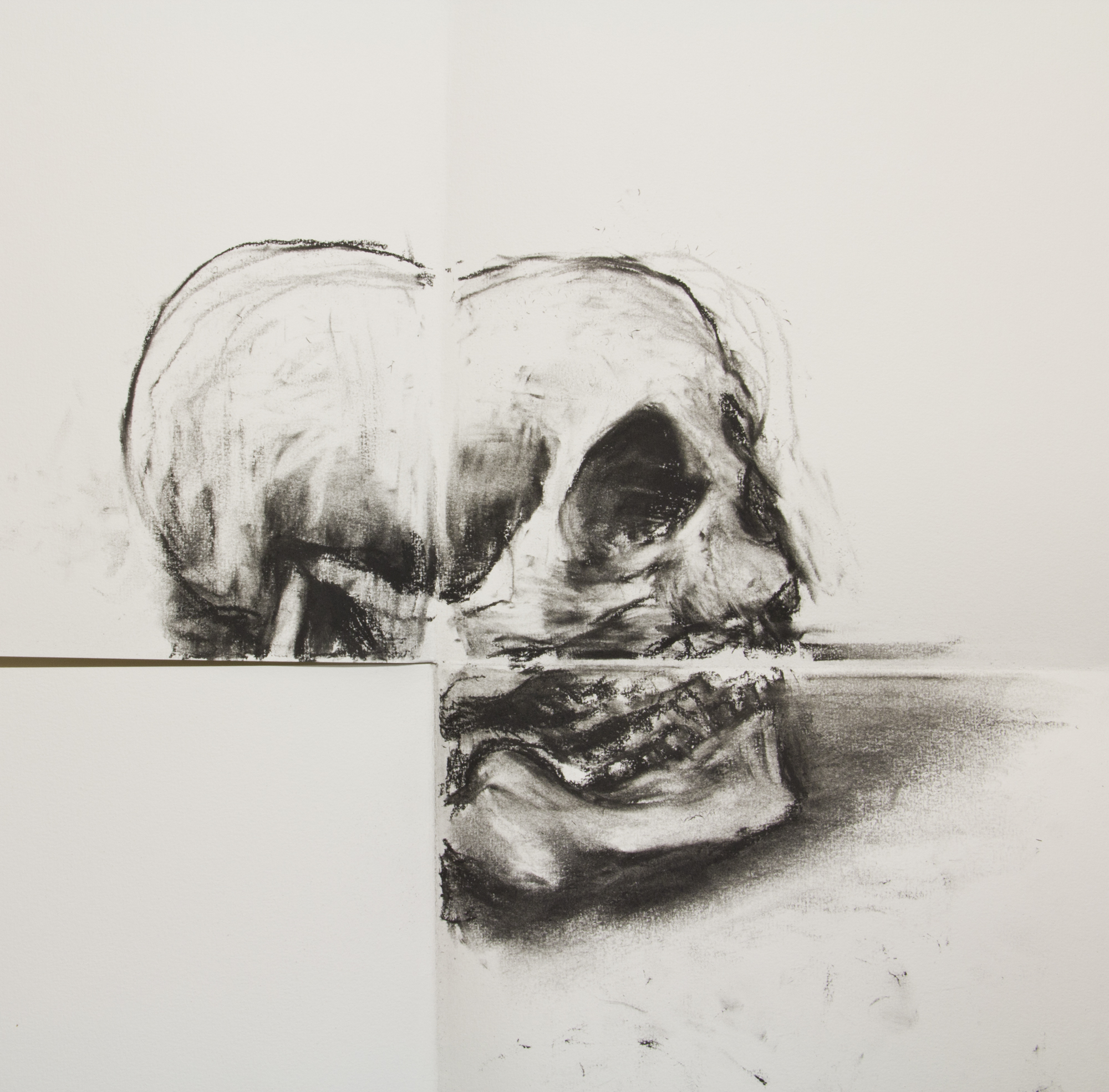
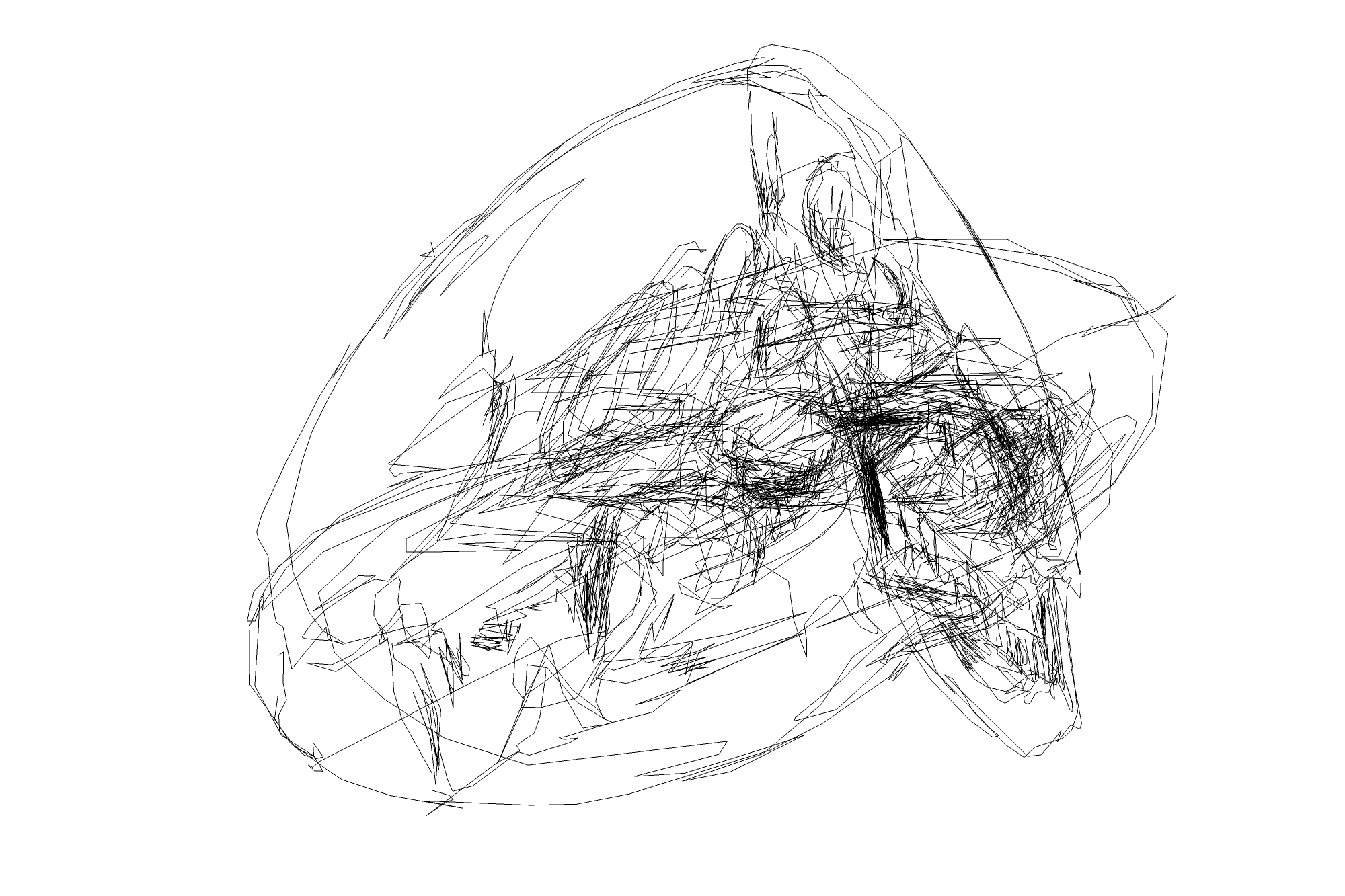
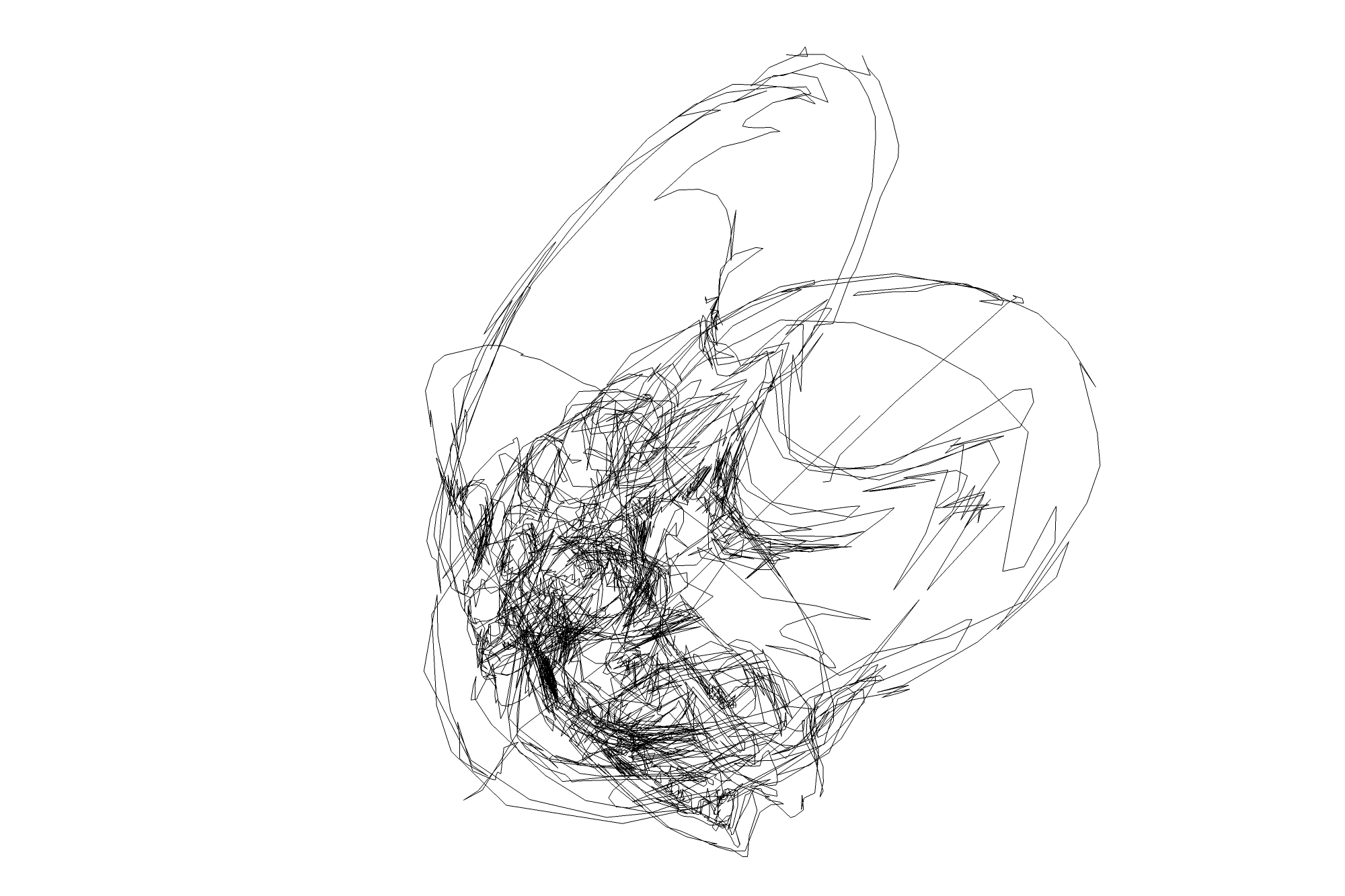
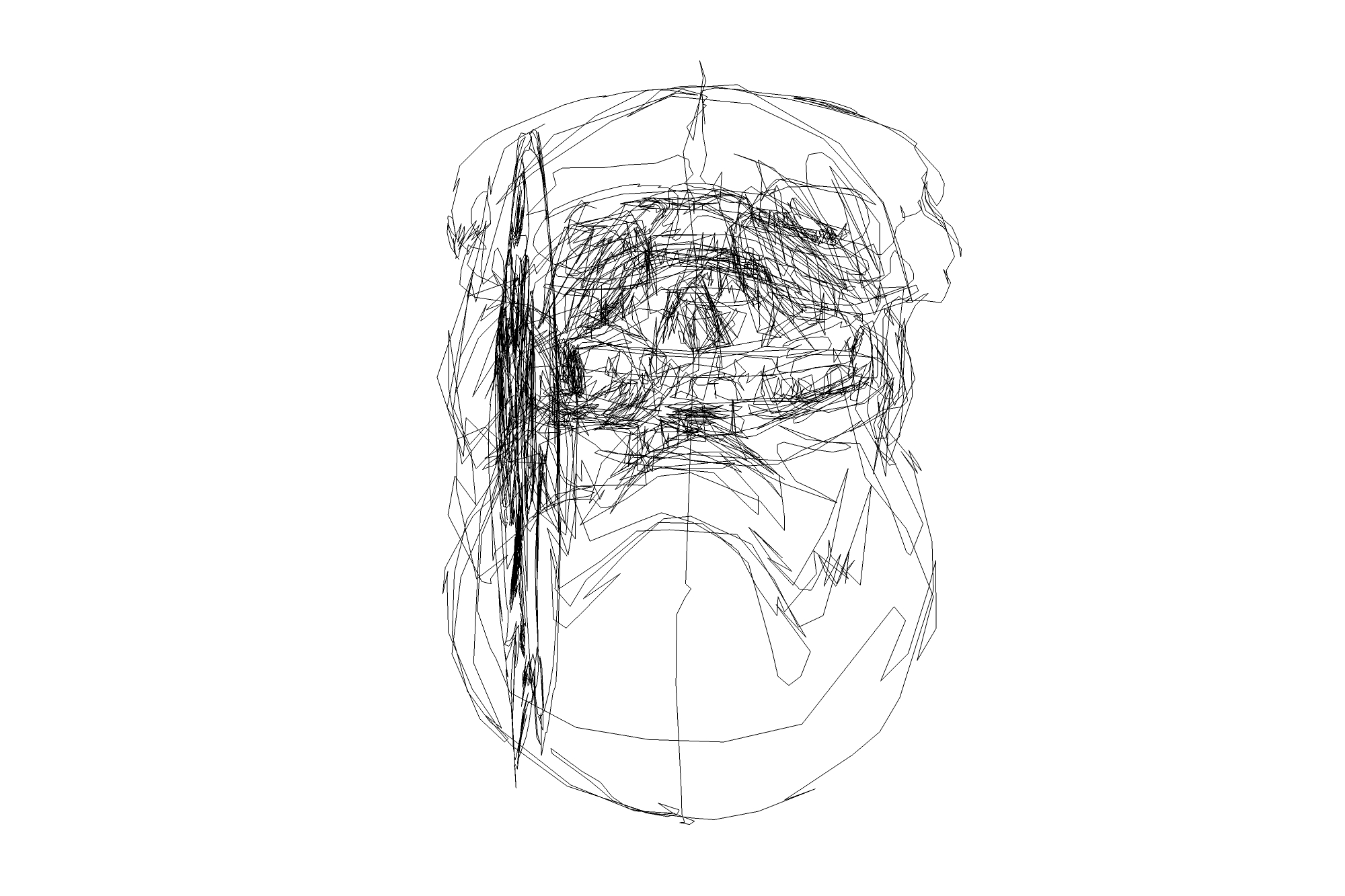
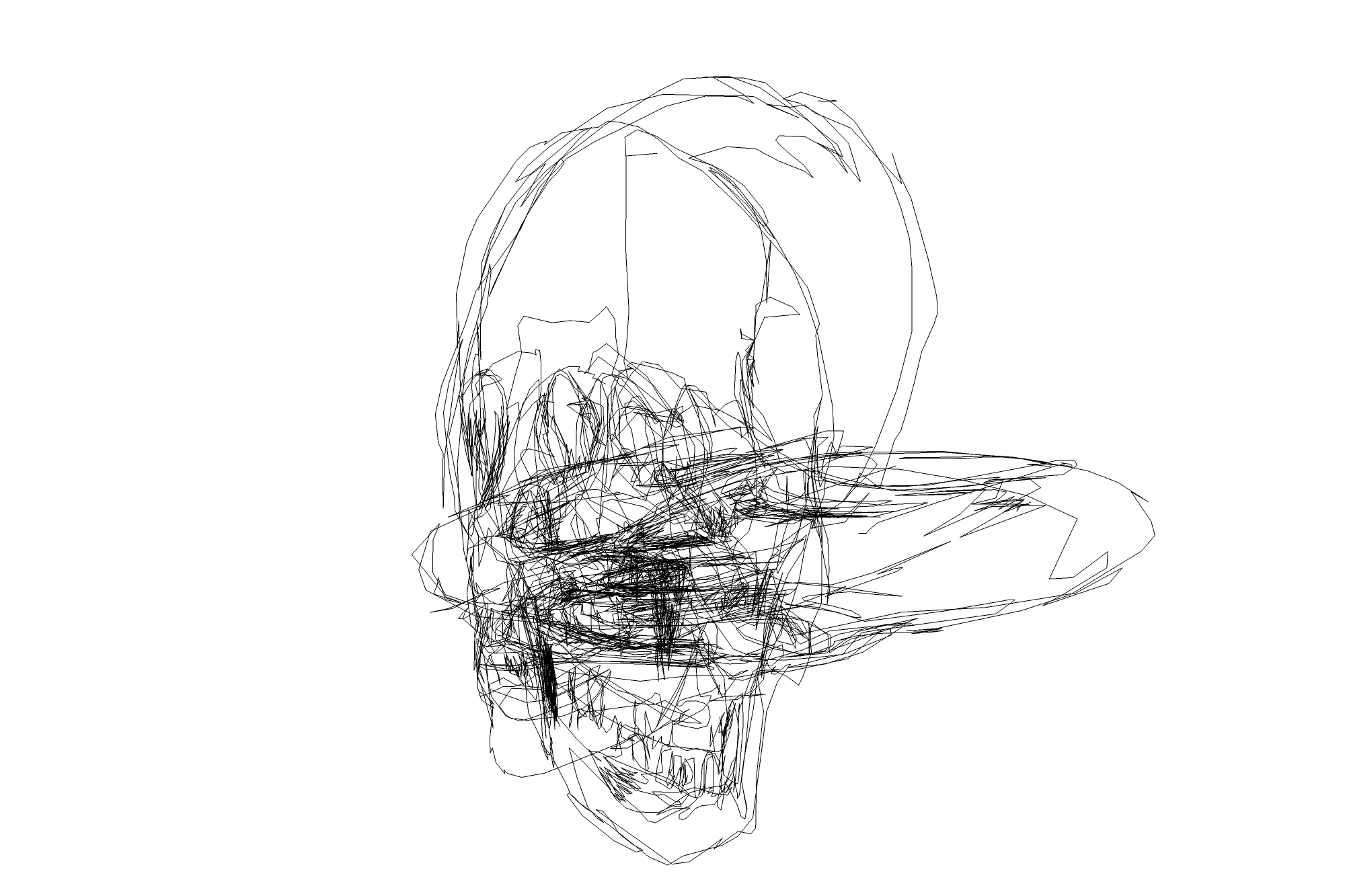
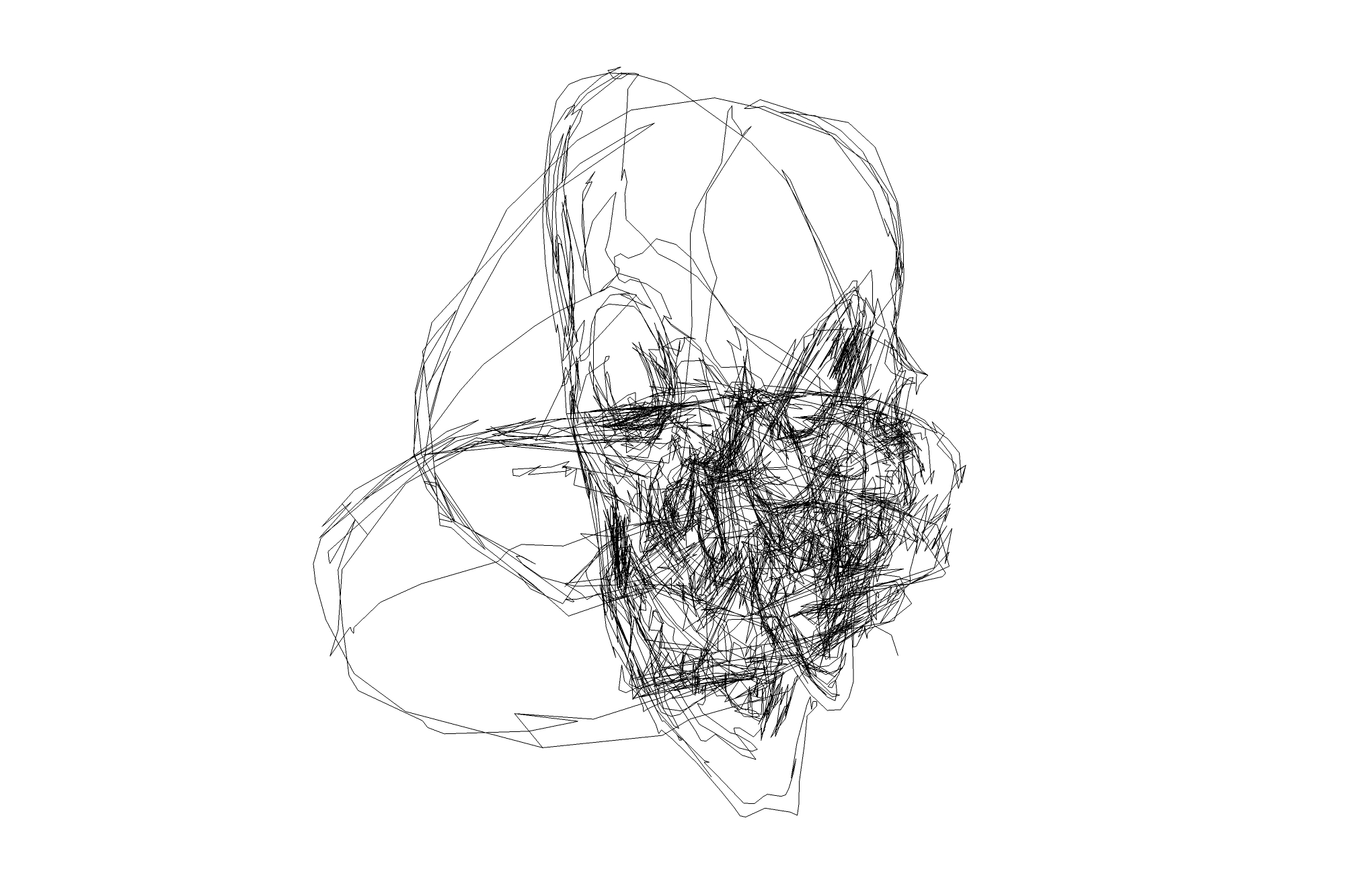
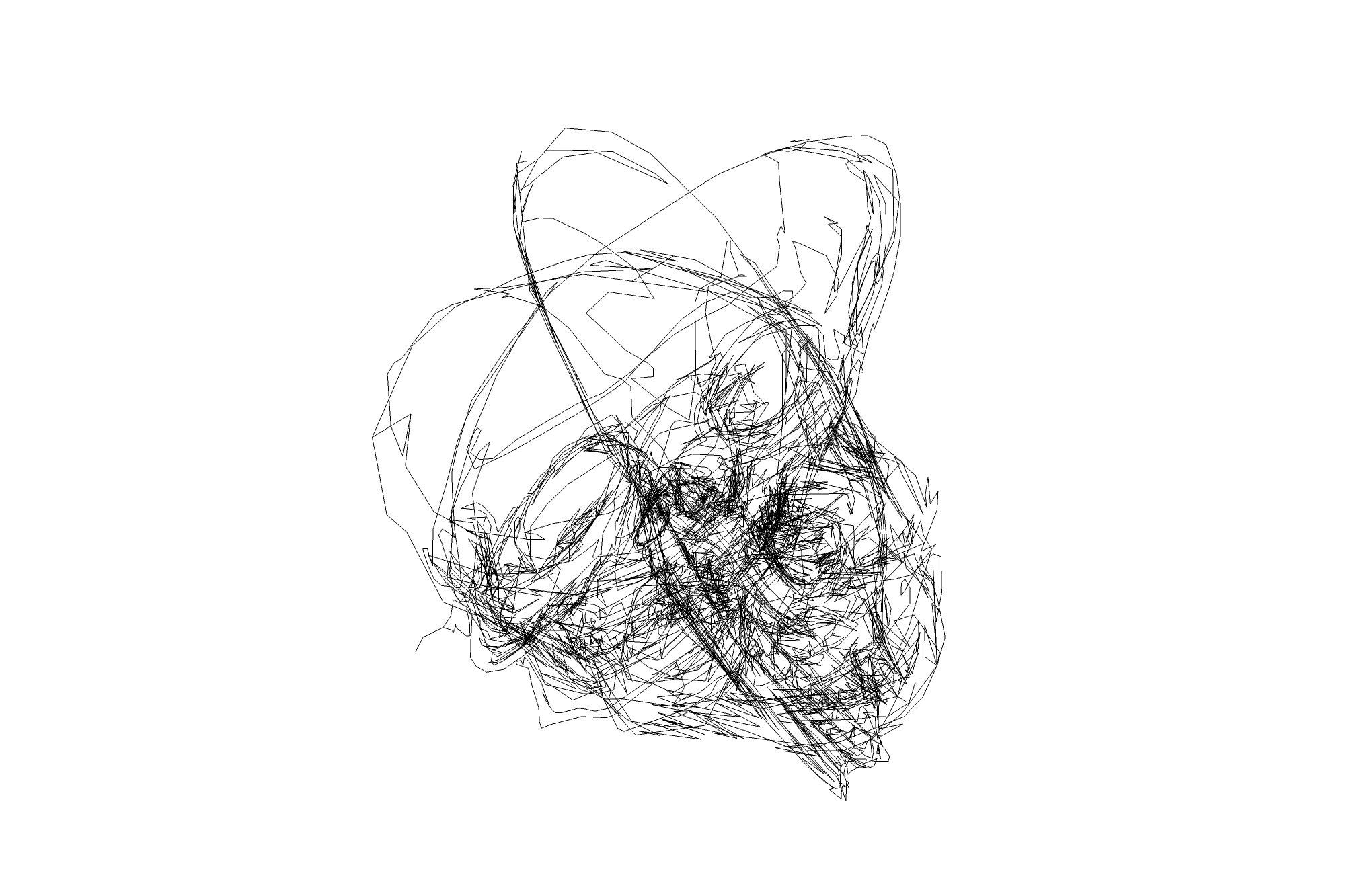
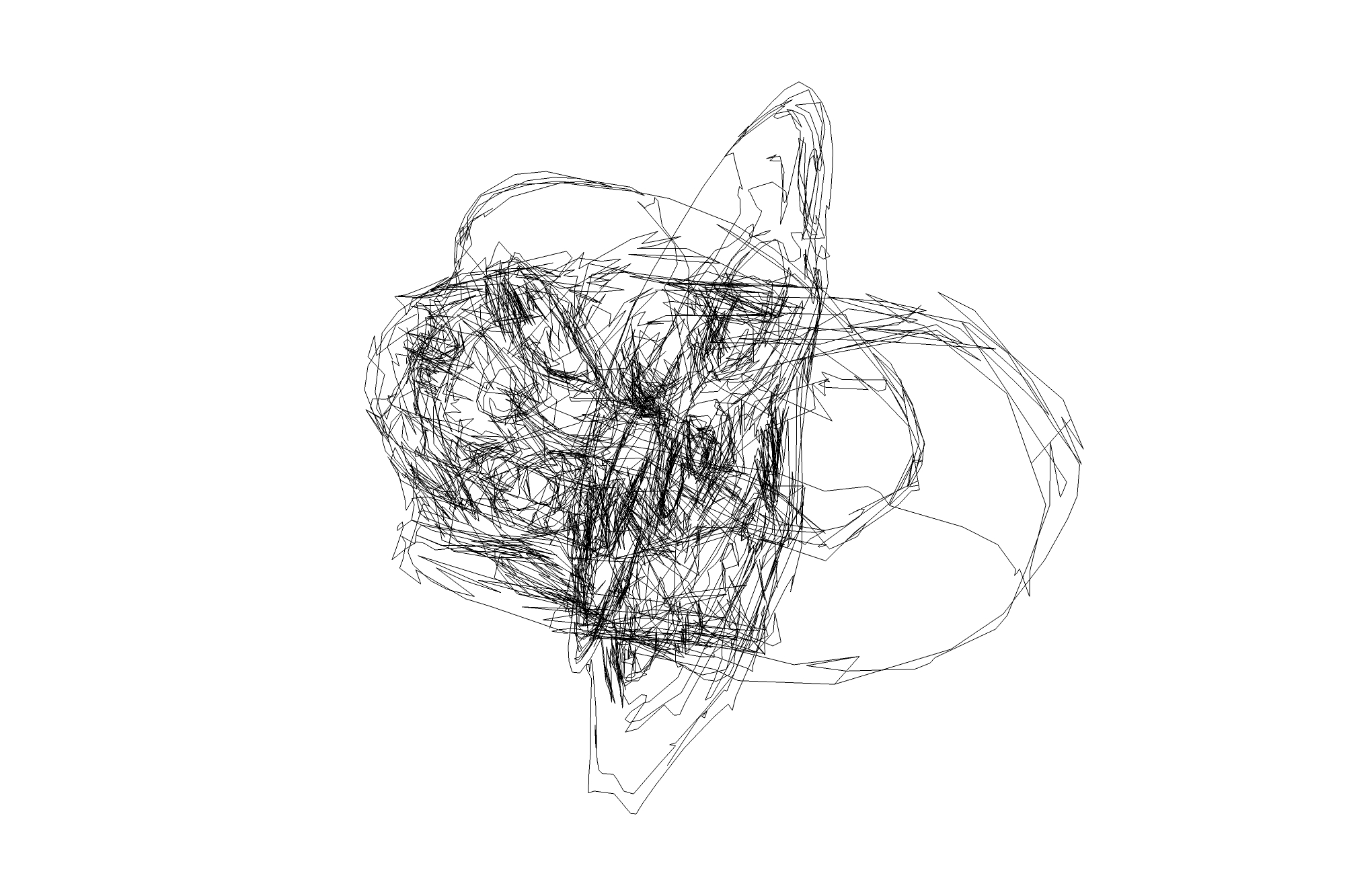
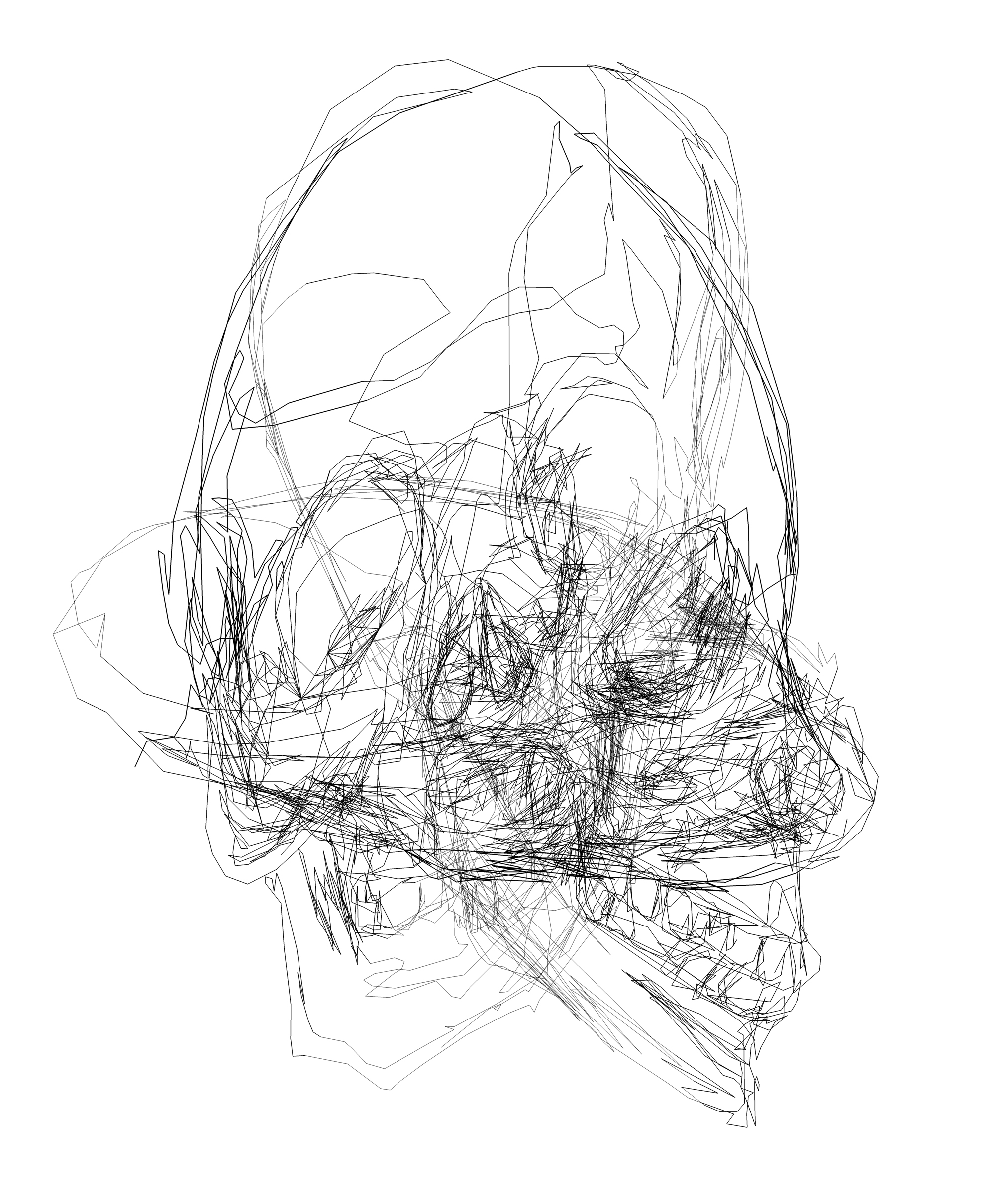
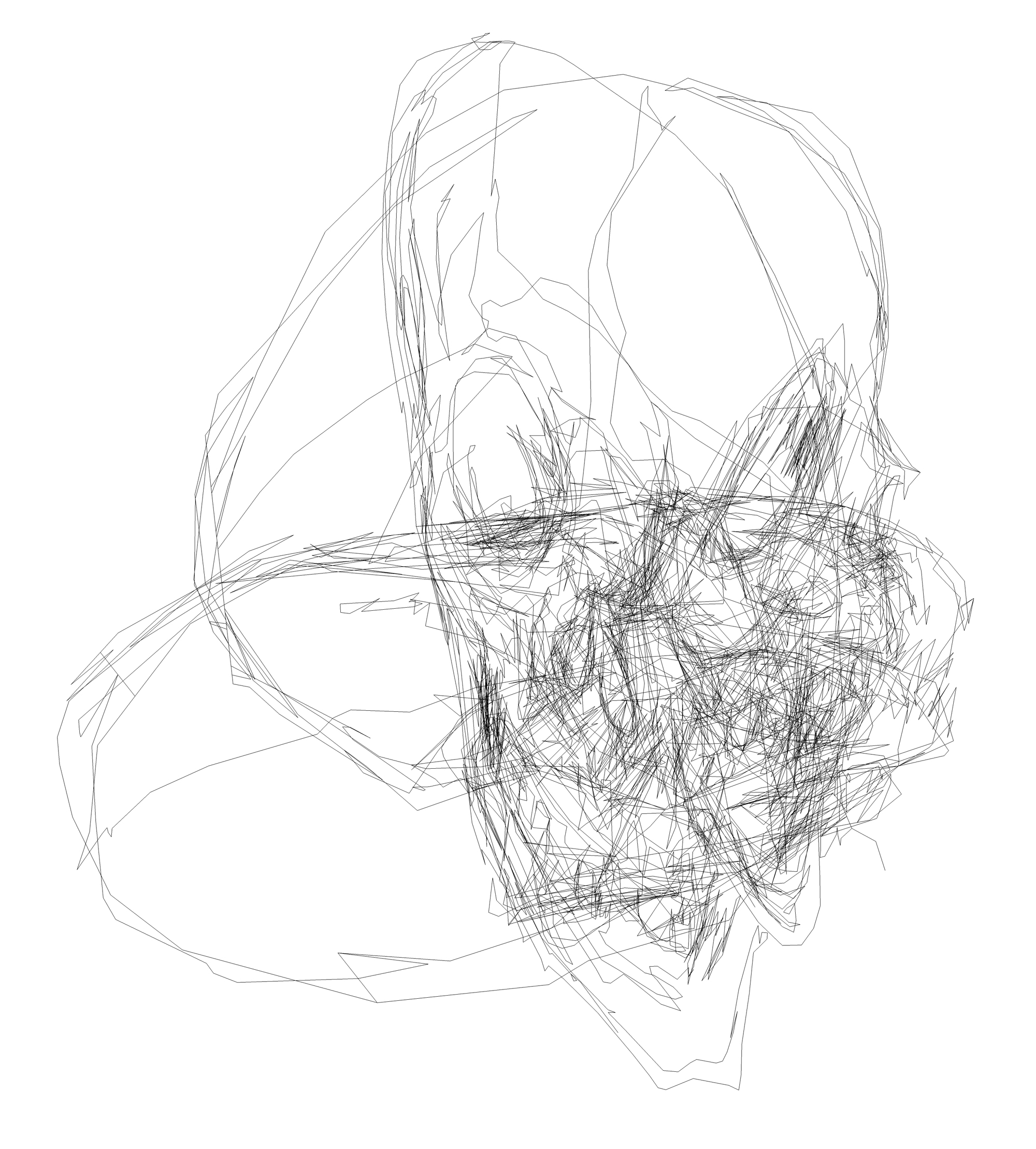
Recently I decided to paint and draw the skull as an extension of my desire to use meaningless or incidental subjects in my work. My reasoning was that the skull is so iconic, so heavily used, and so pervasive in modern and contemporary art and culture that it no longer holds any individual or unique meaning for the viewer or artist. It is so heavily loaded with meaning and symbolism that I felt it had become kitsch and overloaded, reaching a point of saturation rendering it effectively meaningless.
Coincidentally I have recently been reading Art and Death by Chris Townsend. What I have found most interesting about this is not the symbolic significance of the skull but the similarities between my approach to subject matter in general and some of the theories on other artists’ approach to the subject of death. I have written before about the difficulties I have in choosing subjects and communicating in general and believe that there are parallels in the ways I am struggling with representation and the ways in which others engage with representing death.
In Art and Death it is suggested that death is unknowable as it can never be experienced directly, only witnessed. Because death is unknowable it is therefore impossible to represent. So all attempts of representations of death are in fact representations of the elements surrounding death; grief, loss, physical absence or decay et cetera. Going by this theory the concept of death is then communicated not directly, but through absence; by describing all that surrounds it.
What surprises me is how effective this means of communication is. Perhaps because death is as unfamiliar to the viewer as the artist it is the absence of understanding that is being communicated. Because both parties can identify the peripherals of death a common experience and language can be drawn on to engage on a subject that neither party can know directly.
I feel that this means of representation and communication, talking about everything except for the subject, is analogous to my means of communication in regards to other subjects. I often feel it is impossible to know or truly represent the subject, and that any representation will address the peripheral more directly than the subject itself and that the act of communication itself outweighs the content.


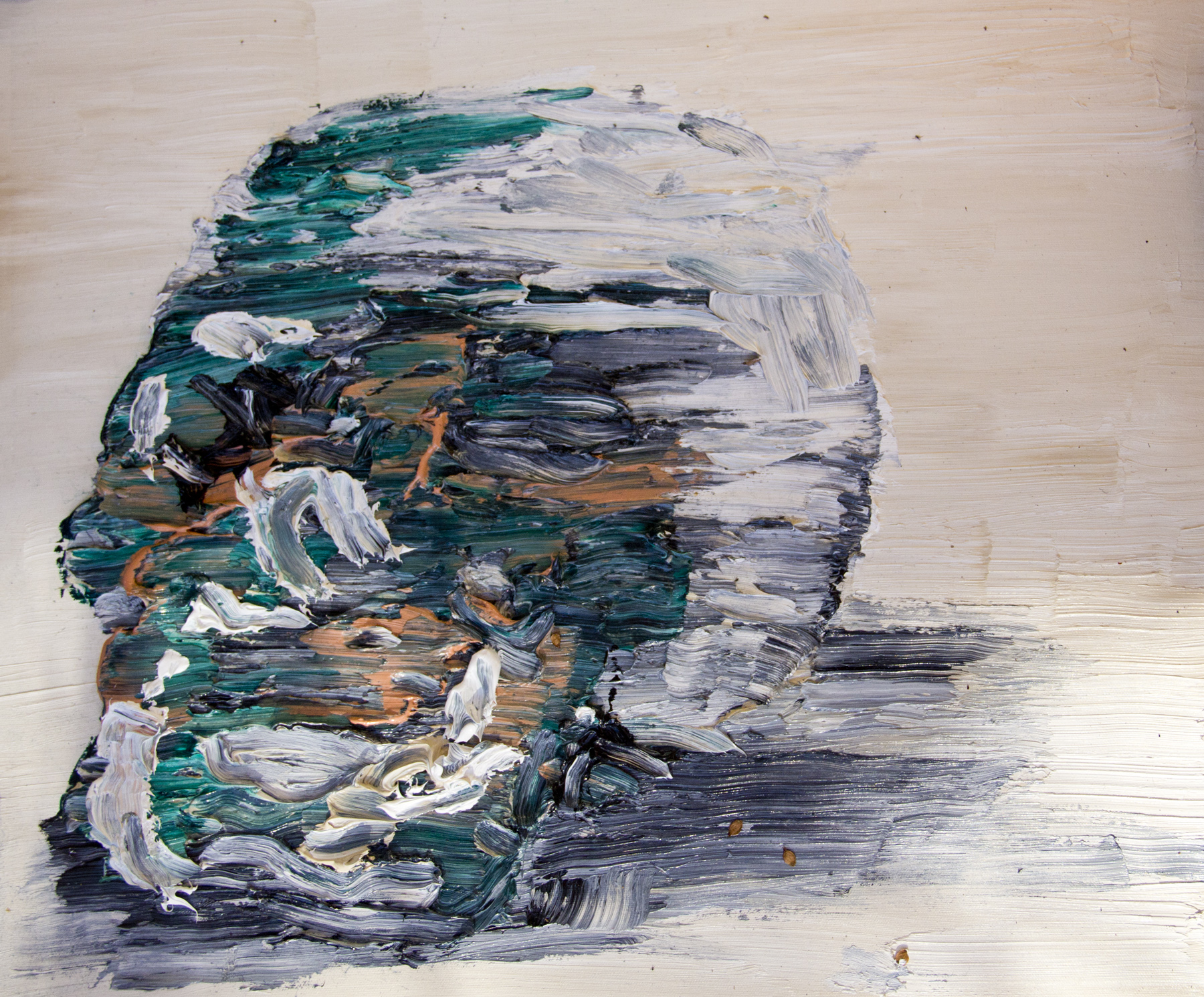
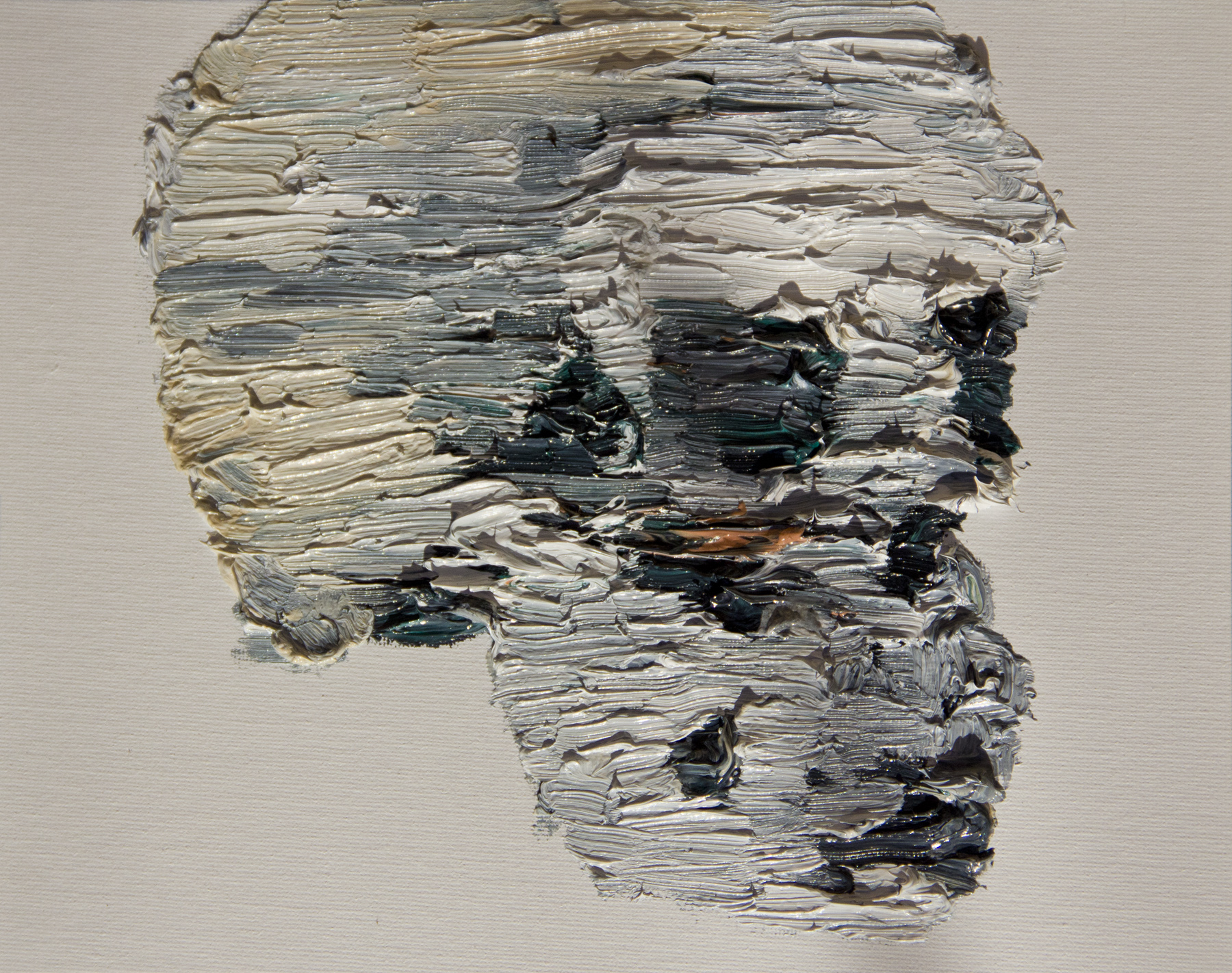
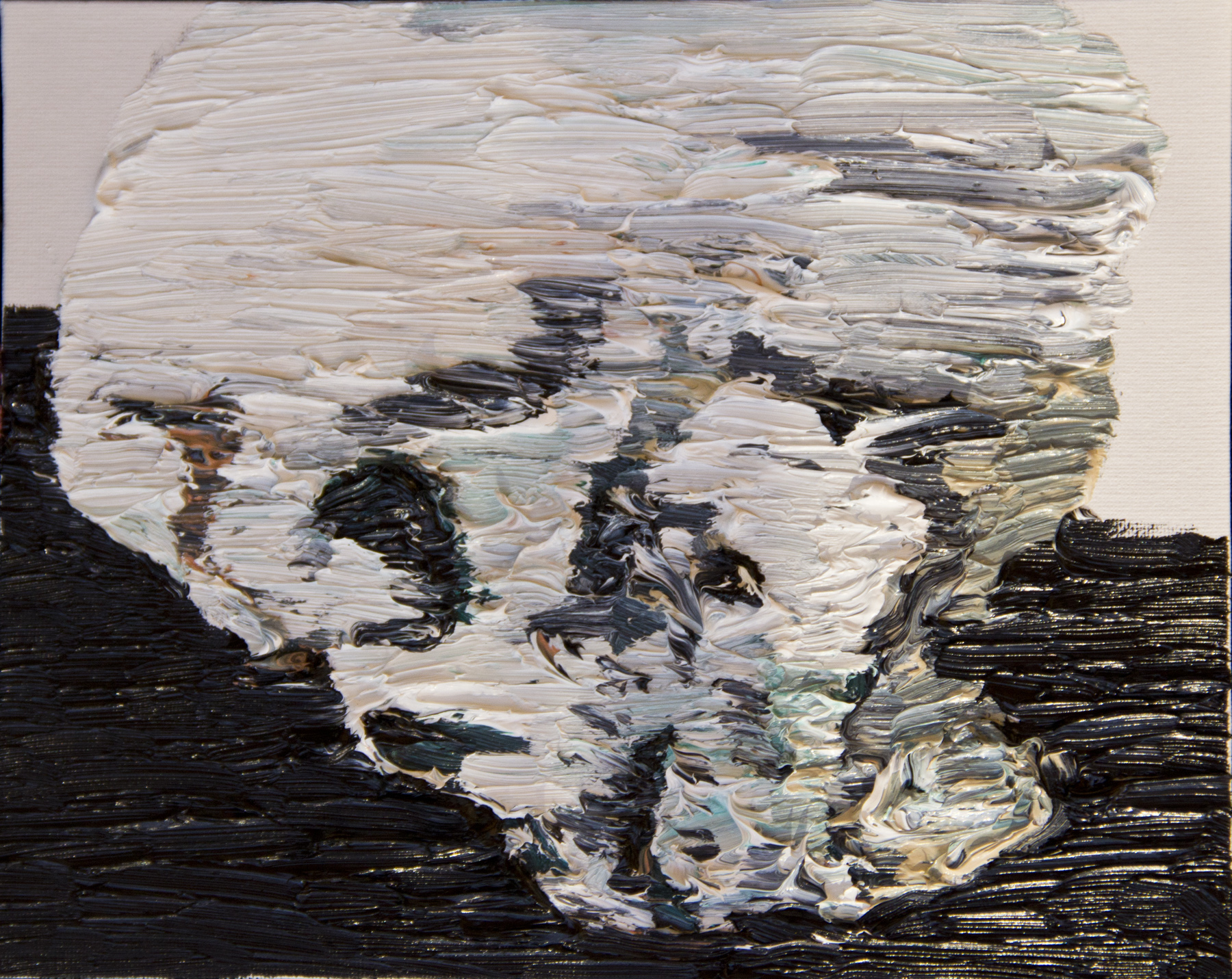

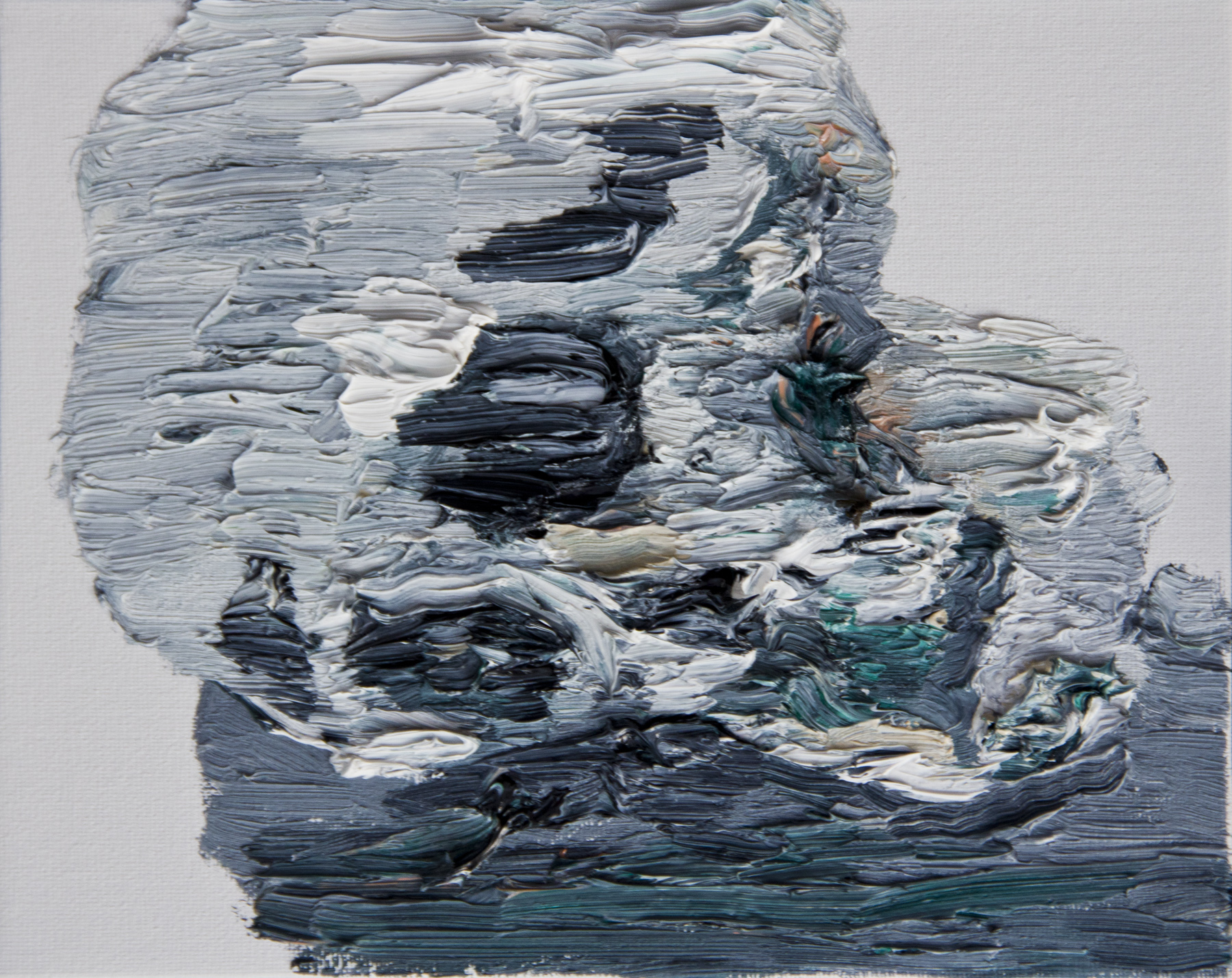








Regarding
Today I posted the latest work at the online art project Re:which is shaping up to be a really interesting project. Also check out the other artists involved: Anna Madeleine, Sarah Catherine Firth, Luke Penders, Benjamin Forster and Travis H. Heinrich.
Shamanism
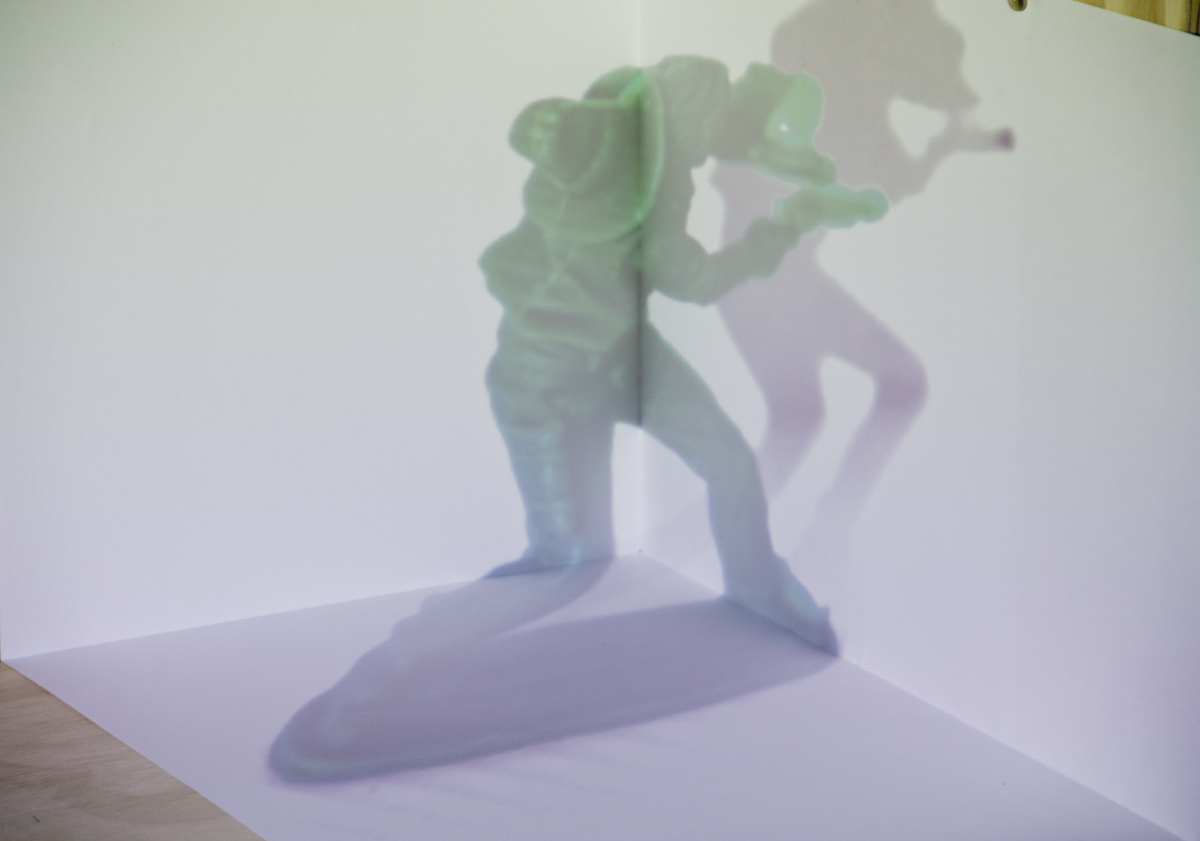
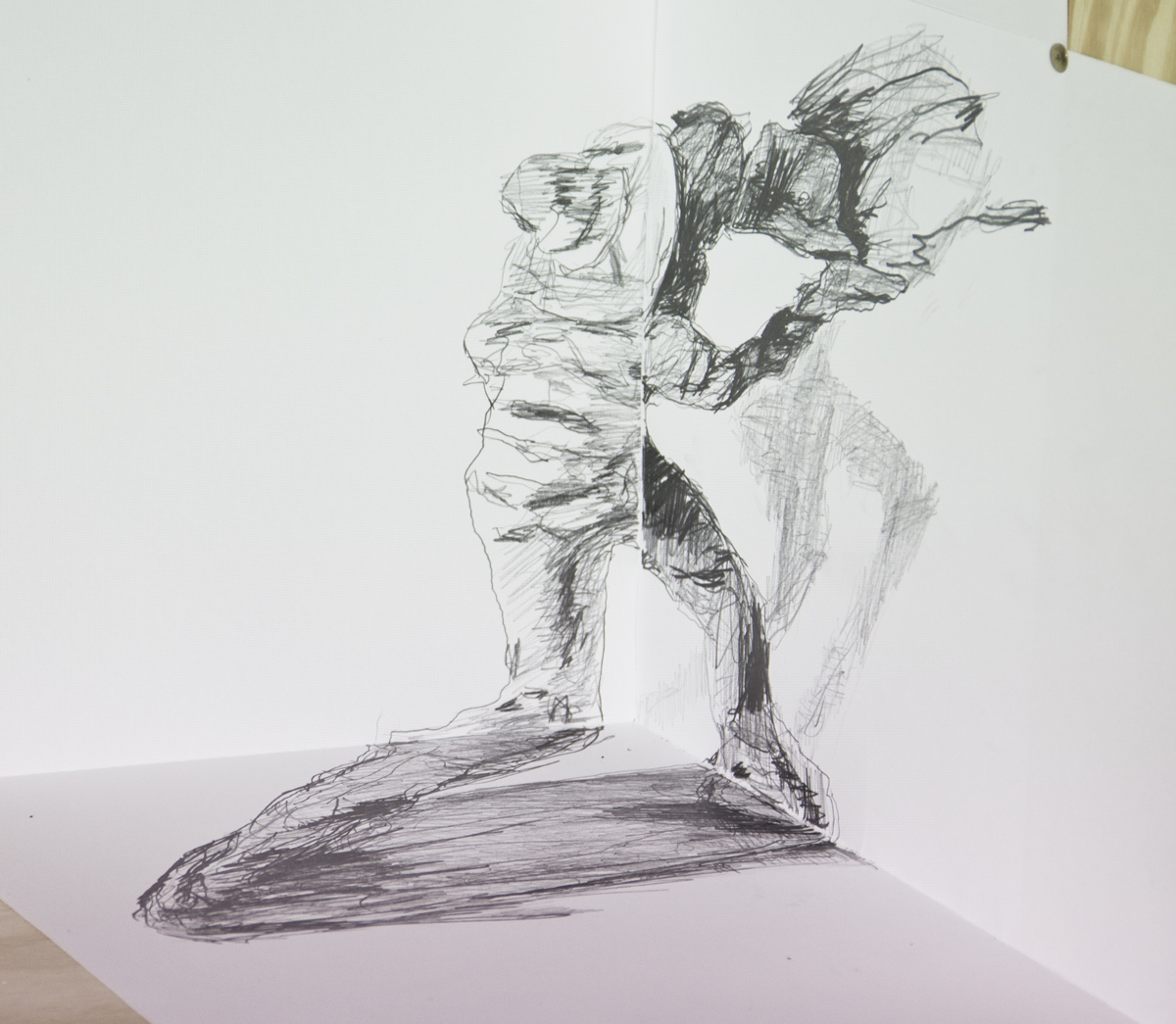
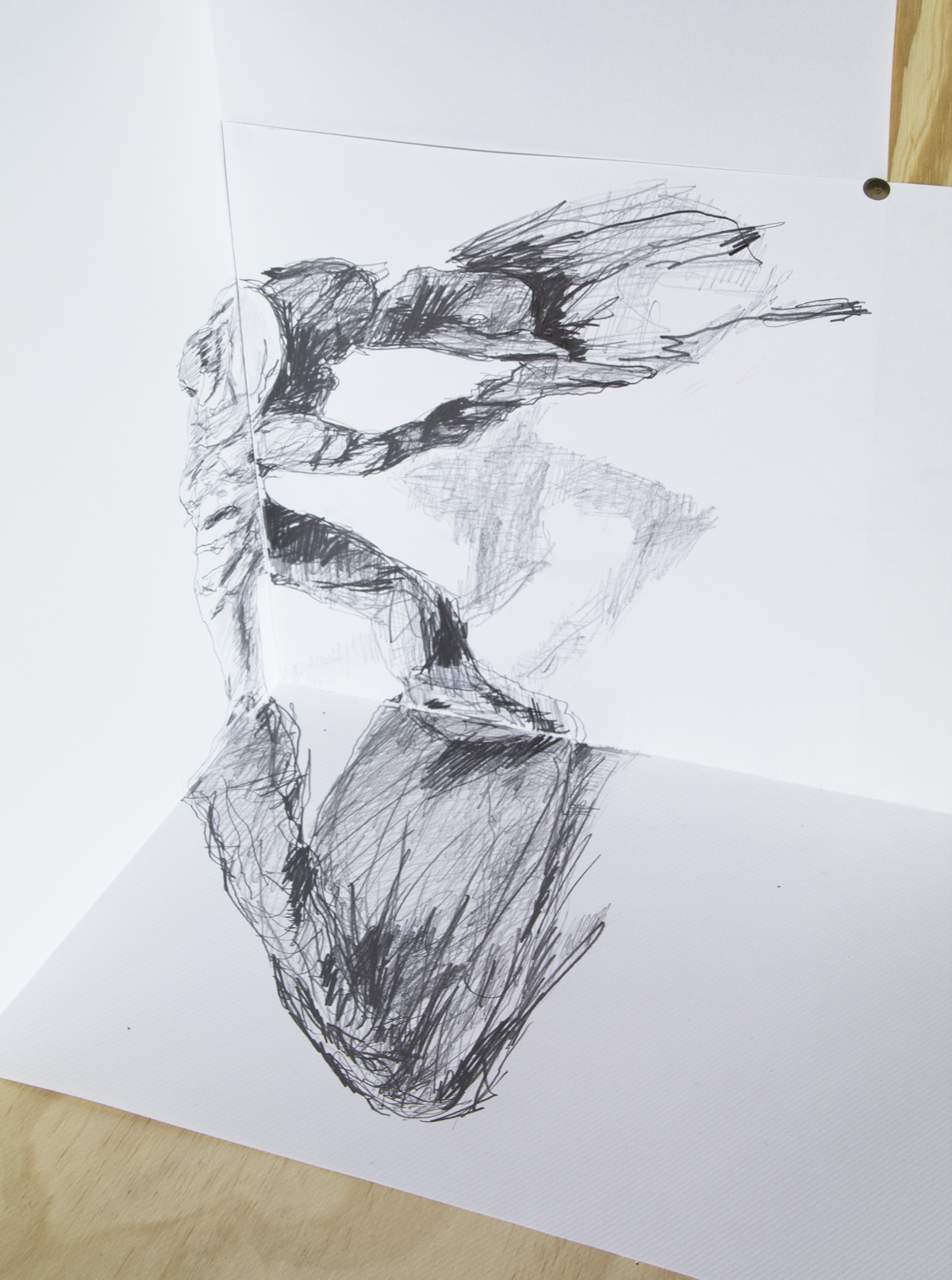
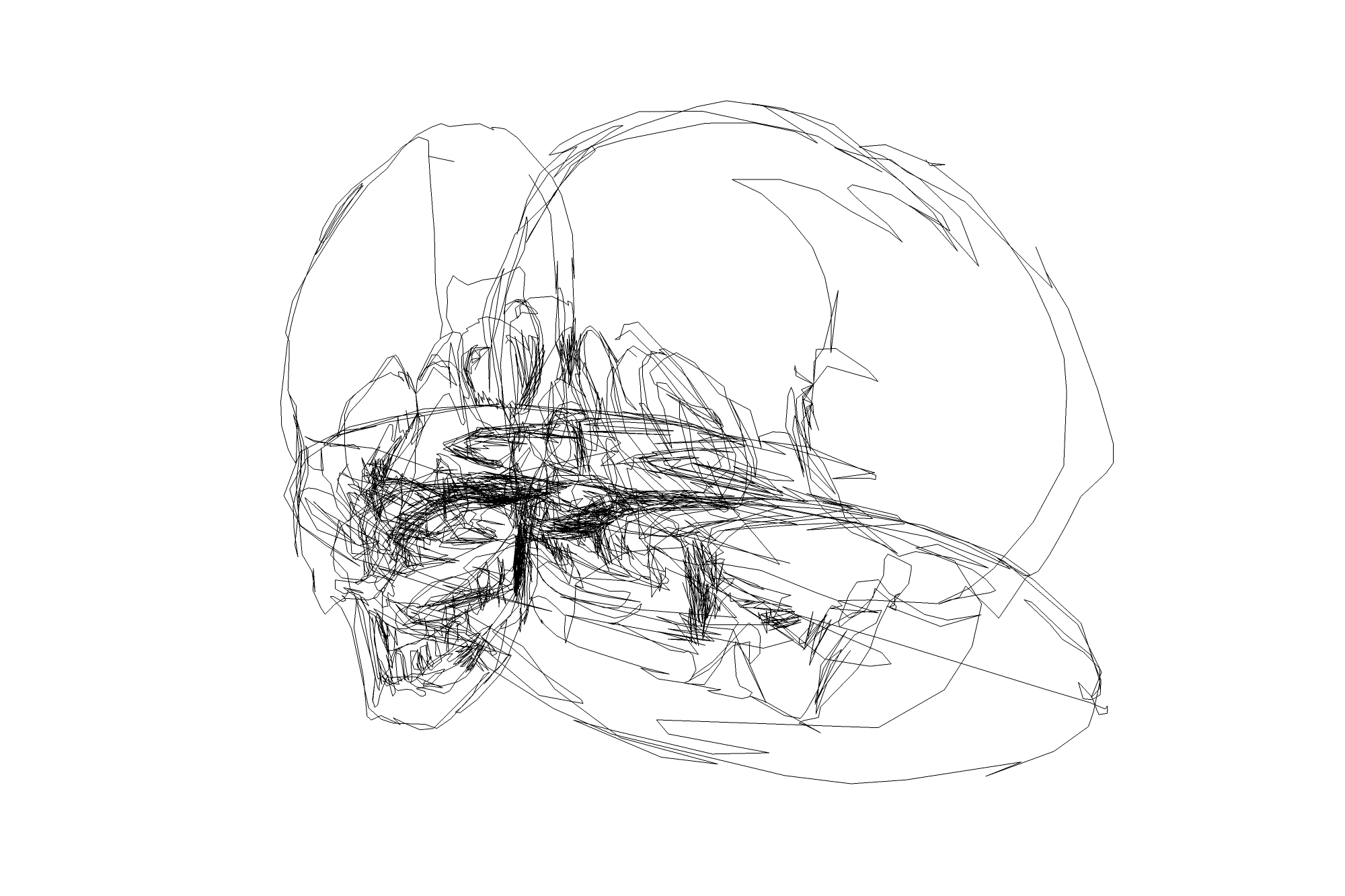
Last week I briefly mentioned that I attempt to overload my brain while making work. To do this I use techniques such as blind drawing, drawing with both hands at the same time, drawing two different subjects simultaneously, drawing in three dimensional space and using mediums I am not familiar or comfortable with. I do this for a few reasons. Firstly, it serves to maintain a level of adversity in the work; as long as I am working against something it drives me to continue to create, so in setting up my own impossible tasks I can create an artificial imperative. Secondly, it is a means to press my brain into operating in new ways, performing tasks that it hasn’t previously performed. This, I feel, is where the shamanistic element of my practice comes to the forefront. I find that in repeatedly performing tasks that my brain is not familiar with, or even necessarily capable of doing, can effectively take up my entire concentration. I find prolonged intense concentration on the act of drawing can very occasionally result in a meditative state, but more frequently I succumb to wandering concentration and lack of focus. Another element of performing these impossible tasks over and over again is that after many attempts I find I can begin to achieve what I had previously intended to be unachievable. I learn how to draw with two hands, or I find myself considering more how to draw in three dimensions, or finding it much easier to blindly map three dimensions onto a two dimensional surface. Through applying myself I am able to teach my brain and hands complicated new tasks.
This deliberate challenging and training of my actions and thinking is what I consider to be the shamanistic aspect of my drawing practice. It expands both my experiences and thought processes and in doing so allows me to view the external world with new means of observation, which I can then apply to finding new ways to challenge myself and make work. I would consider this pursuit to be a contemporary parallel to traditional shamanism; rather than trying to communicate with the otherworldly I am trying to expose myself to new means of communication, thinking and observing.
The problem with this view of shamanistic practice is that traditionally, or at least, to my notion, shamans provide a service to their community. Something I feel I do not achieve. I feel so incredibly overwhelmed by the idea of trying to challenge or engage with contemporary culture that I retreat into introspectiveness or, more commonly, nothingness in my subjects. As much as I would like this atrophied expression to communicate through omission and allusion I do not believe it is capable of that level of sub-textual communication. I do not believe that in pointing out that I find myself unable to engage with certain subjects that I successfully communicate my reasons for not engaging with them. I feel that from here there are a few things that could happen; I can find a way to overcome this debilitation and begin to engage with new subjects and actively communicate with the audience; or, and I fear this is more likely, I can continue to retreat into making work that engages with nothingness for fear of failing in any other more meaningful pursuit. Thirdly, there is a possibility that I will be able to harness this means of expression, turn the act of communication, rather than the subject, into the active element of my work.


 robbiekarmel
1 comment